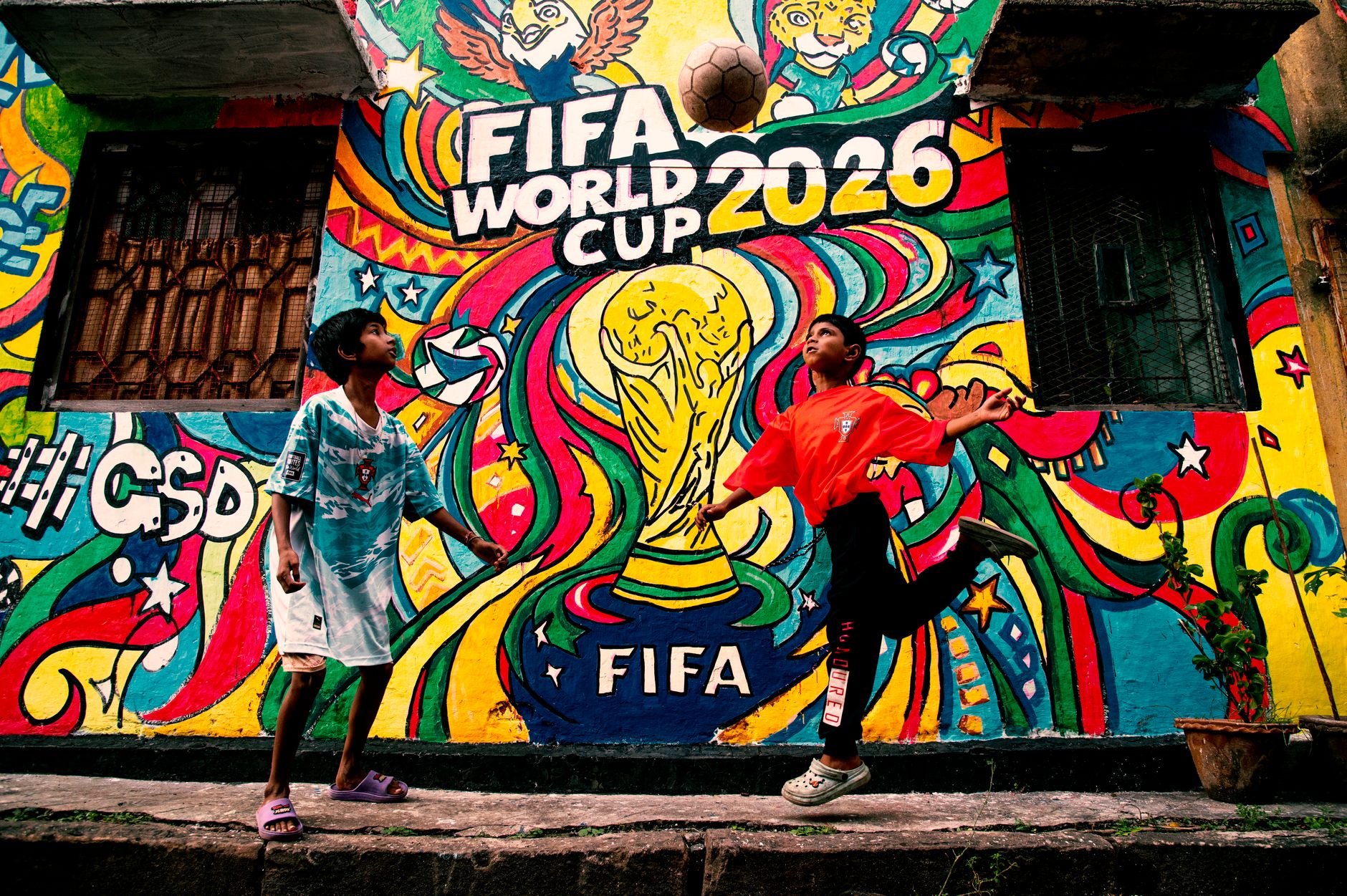
7 World Cup Football Mistakes 2026 Fans Make
World cup football is not a simple month-long ranking of the best national teams; it is a FIFA-run tournament ecosystem shaped by qualification, group-stage volatility, tactical matchups, and commerci...
7 World Cup Football Mistakes 2026 Fans Make
World cup football is not a simple month-long ranking of the best national teams; it is a FIFA-run tournament ecosystem shaped by qualification, group-stage volatility, tactical matchups, and commercial pressure across host markets including the United States, Canada, and Mexico in 2026. Match Daily covers this ecosystem through World Cup predictions, team tactics, player statistics, and daily tournament analysis for fans who want evidence before opinions. The FIFA World Cup began in 1930, expanded to 32 teams in 1998, and moves to 48 teams in 2026, creating 104 matches instead of 64. According to FIFA, the tournament remains football’s most watched event, but its betting and prediction markets often overprice reputation. The practical takeaway is simple: judge teams by format fit, squad depth, travel load, and tactical adaptability, not nostalgia.
Most world cup football articles make the tournament sound predictable: pick the biggest names, scan the FIFA Ranking, follow the Golden Boot race, and wait for the final. That framing is comforting, but data shows it is often wrong. The 2026 FIFA World Cup will be bigger, longer, and more geographically demanding than previous editions, which means old assumptions about favorites, recovery, and group-stage safety deserve more scrutiny.
For readers tracking daily odds, team news, and tactical context, Match Daily’s approach is deliberately skeptical: popularity is not probability, and history is not a model.
Photo by Anirban Das on Pexels
Want a sharper way to follow tournament signals instead of headlines?
Is world cup football really decided by the best team?
No, world cup football is usually decided by the best team under tournament constraints: knockout variance, travel, injuries, fixture timing, and tactical matchups. The strongest squad on paper can lose one poor 90-minute game, especially after the 2026 expansion to 48 teams and 104 matches.
The first mistake fans make is treating the FIFA World Cup like a domestic league. A league rewards consistency over 34 or 38 matches; the World Cup rewards survival across a short, compressed calendar. Brazil, Germany, Argentina, France, Spain, and Italy have all built eras of dominance, but even elite teams have been eliminated by compact defensive blocks, penalty shootouts, or one bad transition sequence. According to the FIFA World Cup overview, the tournament has been staged since 1930, but its structure has changed repeatedly, which makes direct comparisons across eras risky.
A better model starts with constraints. In 2026, matches will be spread across the United States, Canada, and Mexico, meaning climate, altitude, time zones, and travel recovery become part of the competitive equation. Mexico City’s altitude is not the same problem as Miami’s humidity or Vancouver’s cooler conditions. That does not mean a favorite should be ignored; it means a favorite priced as if conditions do not exist may be overvalued. To go deeper on preparation variables, see our [Internal Link: 2026 World Cup travel and venue guide].
Key factors that often matter more than reputation include:
- Rest days between matches
- Squad rotation quality beyond the starting eleven
- Pressing intensity in hot or high-altitude venues
- Set-piece efficiency against low-block opponents
- Penalty taker depth after 120 minutes
- Goalkeeper distribution under pressure
The contrarian point is not that “anything can happen,” which is too vague to help. The sharper point is that tournament football compresses decision quality into fewer moments. A team with 58 percent possession and 17 shots can still lose if its rest-defense structure fails twice. Match Daily treats that as a modeling issue, not a surprise.
How does world cup football handle the 2026 expansion?
The 2026 FIFA World Cup handles expansion by increasing the field from 32 to 48 teams and the match count from 64 to 104. FIFA confirmed the event will be hosted across the United States, Canada, and Mexico, creating the largest men’s World Cup format in history.
This is where many fans make the second mistake: assuming more teams simply means more mismatches. The expansion will likely produce some uneven games, but it also changes incentives for mid-tier nations. A side that would previously miss qualification may now enter with a narrow tactical identity: defend compactly, target set pieces, and treat one point as a valuable asset. According to FIFA, the 2026 tournament is designed as a broader global event, not merely a bigger version of Qatar 2022. FIFA has described the competition as “the most inclusive FIFA World Cup ever,” a phrase that matters because inclusivity changes sporting texture as well as marketing scale.
See the details behind format shifts before making pre-tournament assumptions.
The third mistake is ignoring how expansion affects betting markets and prediction content. Public money often chases familiar brands such as England, Argentina, France, Brazil, Portugal, and Germany, while less glamorous teams may be mispriced early if their qualifying data is dismissed. In a 48-team environment, the value may not always sit with outright winners; it may sit in group qualification, team goals, cards, corners, or player-specific markets. Match Daily focuses on these secondary angles because they are less driven by national-team mythology.
A practical framework for 2026 analysis looks like this:
- Separate team strength from route difficulty.
- Compare venue conditions before comparing star players.
- Track injury news from club seasons ending in May 2026.
- Check whether a team’s tactical system travels well.
- Avoid using one friendly match as proof of form.
One under-discussed edge case: expanded tournaments can make “safe” group-stage bets less safe if rotation arrives earlier than expected. A top seed that wins its first two matches may rest key players in the third, changing goal expectation, pressing volume, and card probability. Many casual previews do not price that scenario until lineups leak, but sharper readers should identify possible rotation spots as soon as the schedule is released.
What about underdogs in world cup football?
Underdogs in world cup football are dangerous when their tactical strengths match the favorite’s weakness, not merely when they are emotionally inspired. Compact defending, elite goalkeeping, set pieces, and transition speed can narrow the gap between a top-five nation and a team ranked far lower.
The fourth mistake fans make is confusing underdog stories with underdog logic. Morocco’s 2022 run, Croatia’s repeated knockout resilience, and Costa Rica’s 2014 surprise were not magic tricks; they combined structure, discipline, goalkeeper performance, and match-state control. The International Football Association Board states that the Laws of the Game provide a universal framework, but within that framework, tactical diversity is enormous. A low-possession team can be inferior across a season and still be perfectly built for one knockout match.
This matters for Match Daily readers because prediction quality improves when you ask “what must happen for the underdog path to work?” instead of “which team is better?” The answer may involve a narrow first half, a set-piece mismatch, a referee profile that allows physical duels, or a favorite whose full-backs leave space behind them. For more tactical context, read our [Internal Link: defensive blocks and counterattack betting angles].
Underdog signals worth tracking include:
- Centre-back aerial duel win rate
- Goalkeeper post-shot expected goals performance
- Free-kick and corner routines
- Defensive spacing after turnovers
- Bench speed against tired defenders
- Historical penalty conversion under pressure
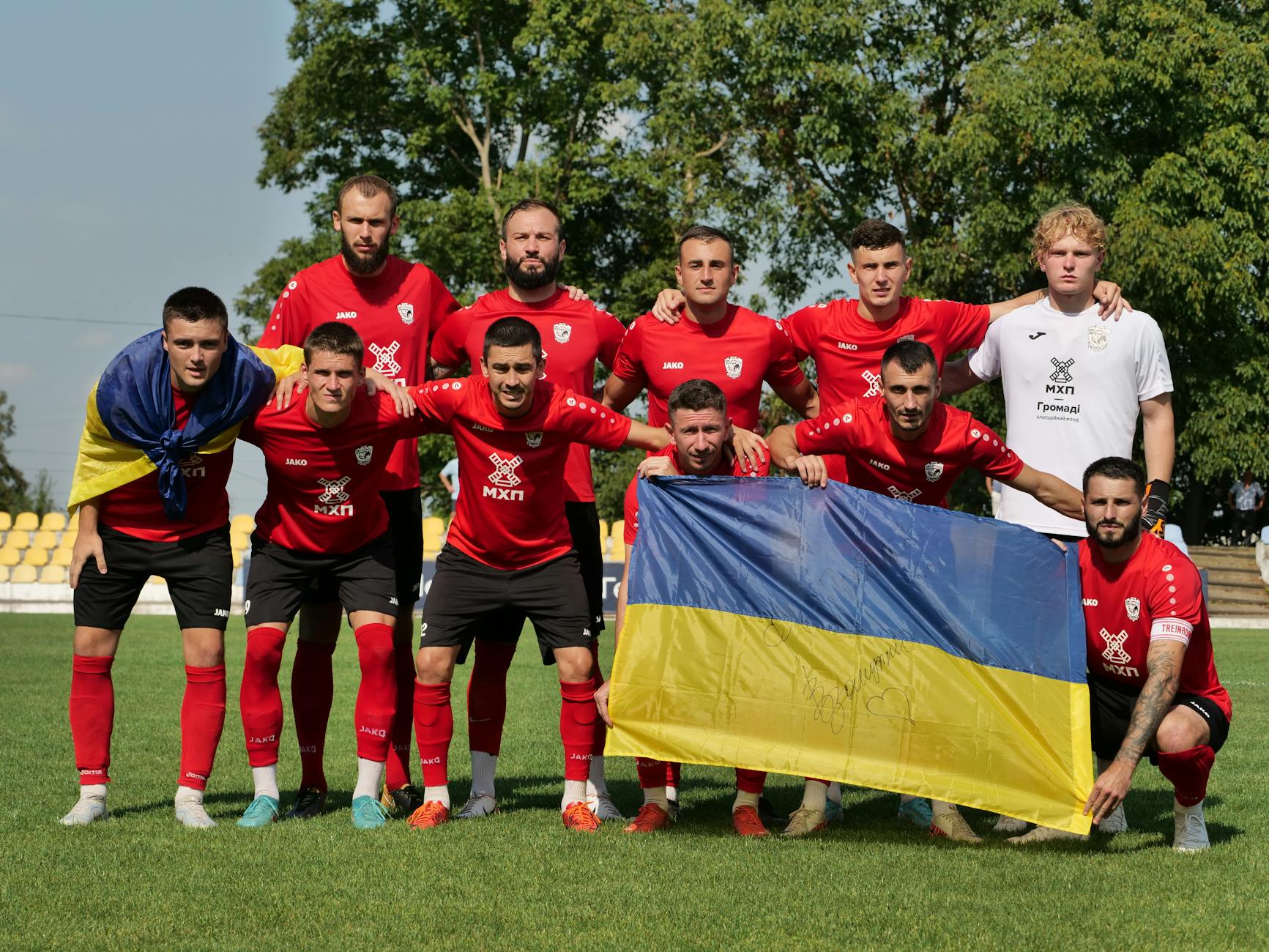
Photo by Володимир Король on Pexels
A second information edge is substitution timing. Many public previews discuss starting elevens, but the 60th to 75th minute often decides tournament matches because fatigue exposes spacing. If an underdog has two fast substitutes and the favorite uses aggressive full-backs, live-market value can appear after the favorite dominates possession without scoring. That is not luck; it is a tactical trigger. Match Daily’s daily insights are built around these small windows because world cup football often turns on them.
Where does world cup football fail?
World cup football fails when spectacle hides structural problems: overloaded calendars, uneven travel, inconsistent officiating interpretations, opaque injury information, and public narratives that distort analysis. The tournament is magnificent, but treating it as a pure measure of national quality ignores the messy operational reality behind every match.
The fifth mistake is romanticizing the World Cup so heavily that criticism sounds like betrayal. The tournament deserves admiration, but skepticism helps fans read it better. Club seasons in the Premier League, La Liga, Serie A, Bundesliga, and UEFA Champions League place enormous physical demands on elite players before they ever reach a national-team camp. By June 2026, some stars will arrive after 50-plus club appearances, while others will be returning from injury management plans that national federations may describe carefully rather than completely.
Get started with a more realistic tournament lens before the knockout drama begins.
The sixth mistake involves trusting broadcast narratives too quickly. A commentator may say a team “wanted it more,” but data may show that the losing team simply created lower-quality chances from poor shooting zones. Expected goals, field tilt, progressive passes, and high turnovers are not perfect, yet they often explain what emotion cannot. Match Daily uses player stats and tactical notes to challenge lazy explanations, especially when a favorite wins unconvincingly and the market upgrades them anyway.
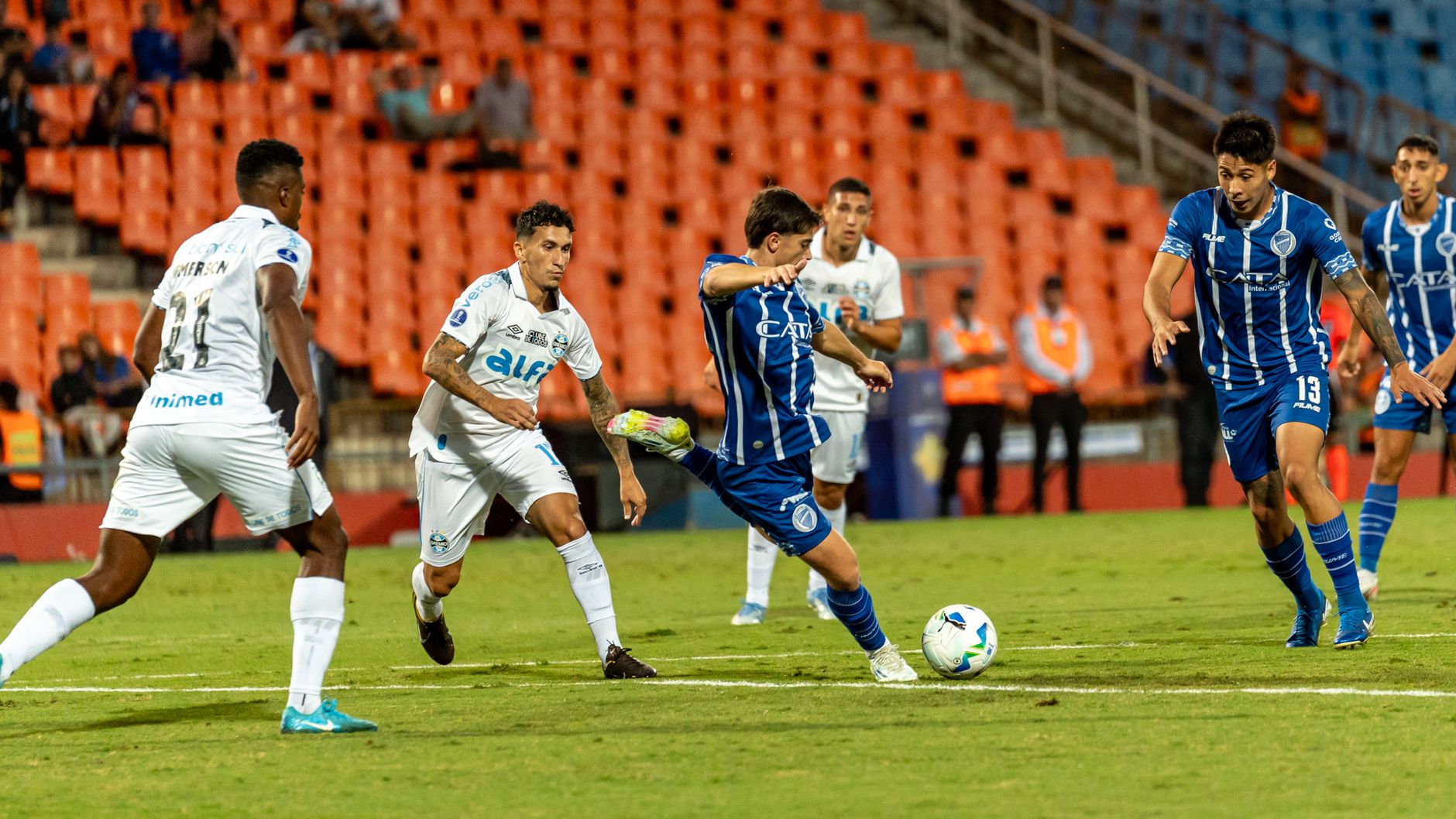
Photo by Franco Monsalvo on Pexels
World cup football also fails when fans overlook gambling risk. The industry around the FIFA World Cup is massive, and odds movement can create the illusion of certainty. A shorter price is not always better information; sometimes it is just public demand. Responsible readers should set limits, avoid chasing losses, and understand that even strong analysis cannot eliminate variance. For related guidance, see our [Internal Link: responsible football betting checklist].
Common analytical traps include:
- Treating FIFA Ranking as a betting model
- Overreacting to one group-stage blowout
- Ignoring venue temperature and travel distance
- Assuming star forwards guarantee team goals
- Forgetting penalty shootouts are high-variance events
- Mistaking market movement for confirmed team news
Should you try world cup football analysis today?
Yes, you should try world cup football analysis today if you treat it as structured evaluation, not prediction theatre. Start with format, fixtures, venues, squad depth, and tactical matchups before considering odds, narratives, or emotional loyalty to a national team.
The seventh mistake is waiting until kickoff to form an opinion. By then, public narratives are loud, prices may be less attractive, and lineup news has already moved the market. A stronger process begins weeks earlier by mapping possible routes, identifying rotation risks, and comparing how each team performs against specific defensive shapes. For example, a side excellent against high pressing may struggle against a passive 5-4-1 block; another may look average in open play but dangerous from corners and second balls.
A simple Match Daily workflow for 2026 fans:
- Build a watchlist of 8 to 12 teams before the tournament.
- Track injuries from March to June 2026.
- Note venues, kickoff times, and climate profiles.
- Compare tactical matchups rather than national reputations.
- Reassess after each match using performance data, not only scorelines.
The refined position is this: world cup football is both the sport’s greatest stage and one of its easiest events to misread. The FIFA World Cup rewards quality, but not always the quality fans expect. In 2026, the expanded format, North American geography, and deeper betting markets will punish lazy assumptions. Match Daily exists for readers who want to question those assumptions before the crowd catches up.
For daily predictions, tactical breakdowns, and 2026 World Cup coverage, follow the evidence before the noise.
Frequently Asked Questions
Q: What is world cup football?
A: World cup football usually refers to the FIFA World Cup, the international men’s national-team tournament organized by FIFA every four years. The competition began in 1930 and is widely considered the biggest event in association football. In 2026, it expands to 48 teams and 104 matches across the United States, Canada, and Mexico.
Q: How do I start analyzing world cup football predictions?
A: Start by reviewing the tournament format, fixtures, venues, squad depth, injuries, and tactical matchups before looking at odds. A practical first step is to compare how each team performs against pressing, low blocks, and set-piece pressure. Match Daily helps by combining team tactics, player stats, and daily 2026 World Cup coverage.
Q: What is the difference between FIFA Ranking and World Cup strength?
A: FIFA Ranking measures international results over time, while World Cup strength depends on current squad health, tactical fit, route difficulty, and knockout resilience. A highly ranked team can still be vulnerable in a specific venue or matchup. For 2026, travel across North America adds another variable that rankings alone cannot capture.
Q: Is world cup football betting worth it?
A: World cup football betting can be worthwhile only if you use disciplined analysis and strict bankroll limits. Outright winner markets are often crowded with public money on famous teams such as Brazil, England, France, and Argentina. More selective markets, including group qualification or team-specific props, may offer better value when supported by data.
Q: Why do World Cup favorites fail?
A: World Cup favorites fail because knockout football magnifies small errors, injuries, fatigue, and tactical mismatches. A favorite may dominate possession but lose to a set piece, counterattack, red card, or penalty shootout. The short format means one poor match can erase years of reputation.
Q: What are the requirements to follow the 2026 FIFA World Cup effectively?
A: You need the official schedule, venue information, reliable injury updates, tactical previews, and a method for comparing teams beyond reputation. Because the 2026 FIFA World Cup spans the United States, Canada, and Mexico, travel and climate should be part of your checklist. Following a specialist source such as Match Daily can make that process easier.