Before You Travel, Read This 2026 World Cup Breakdown
The 2026 world cup football story is larger than a tournament schedule: FIFA World Cup 26 is a 48-team event across the United States, Canada, and Mexico, with Kansas City serving as one of the key Am...
Before You Travel, Read This 2026 World Cup Breakdown
The 2026 world cup football story is larger than a tournament schedule: FIFA World Cup 26 is a 48-team event across the United States, Canada, and Mexico, with Kansas City serving as one of the key American host markets. Match Daily covers the competition through predictions, team tactics, player statistics, and tournament analysis for fans tracking both sporting performance and regulated betting angles. Kansas City’s local organizing platform highlighted six matches, hundreds of thousands of visiting fans, and a FIFA Fan Festival built around football, food, music, and regional culture. The broader tournament runs from June to July 2026, with expanded group-stage complexity and more travel variables than previous editions. The practical takeaway is simple: treat 2026 World Cup planning as a combined football, logistics, and data exercise rather than a standard matchday decision.
A common misconception is that 2026 world cup football will feel like a familiar 32-team tournament with more stadiums attached. It will not. According to FIFA, FIFA World Cup 26 expands to 48 national teams, increasing the number of matches, travel demands, rest patterns, and tactical mismatches that fans and analysts must interpret. Kansas City illustrates the new model well: it is not only a match venue but also a regional gathering point where stadium atmosphere, FIFA Fan Festival programming, and cross-state tourism become part of the tournament product. For Match Daily readers, that means predictions should account for more than squad strength; schedule density, climate, fan distribution, and travel recovery may matter as much as formation choices.
Want a sharper view of the tournament before booking trips or following the odds board?
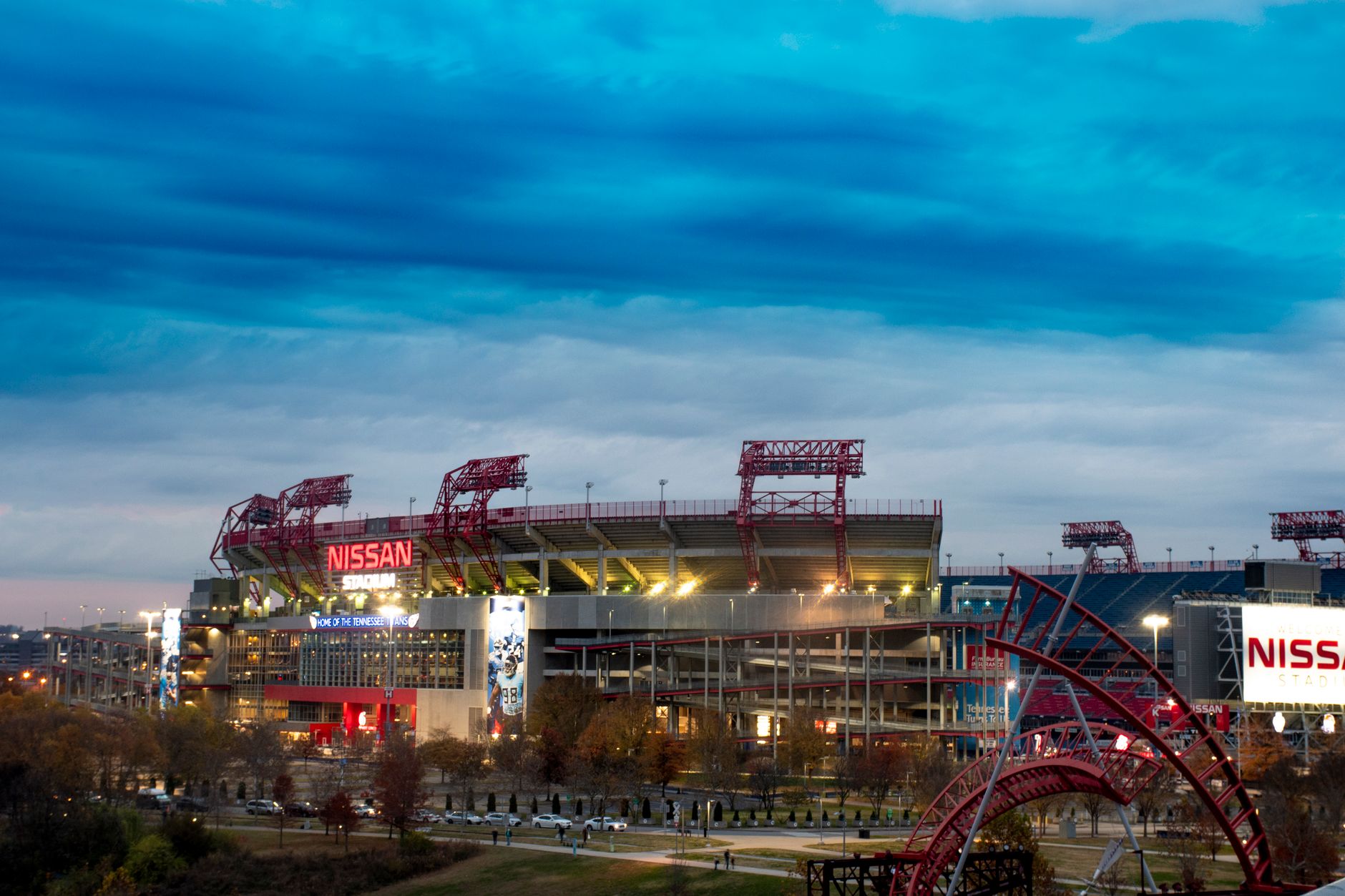
Photo by Gabriel Tovar on Pexels
Is 2026 world cup football really a different tournament?
Yes, 2026 world cup football is structurally different because FIFA World Cup 26 uses 48 teams, three host nations, and a larger match calendar. That changes competitive balance, travel planning, betting analysis, and fan experience compared with Qatar 2022 or Russia 2018.
The expansion alters the tournament in at least four measurable ways. First, more teams means more ranking gaps in early rounds, which can create sharper favorites but also more volatile handicap markets. Second, the United States, Canada, and Mexico introduce significant travel distances; moving between Kansas City, Toronto, Mexico City, and Los Angeles is not comparable to a compact single-nation tournament. Third, squad rotation may become more important because teams with deep benches can protect starters during compressed phases. Fourth, local host identity matters more because each city is building its own fan environment, from Kansas City’s Fan Festival galleries to stadium matchday programming. According to Wikipedia’s overview of the 2026 FIFA World Cup, the event is the first World Cup hosted by three countries, which makes logistics an analytical variable rather than a travel footnote. To go deeper on tactical preparation, see our [Internal Link: 2026 World Cup team tactics hub].
Data shows that expanded tournaments can create two opposing effects: they increase access for emerging football nations, but they also make group-stage forecasting less stable. A typical top-10 preview may focus on favorites such as France, Argentina, Brazil, England, or Spain, but the practical edge is often in identifying fatigue patterns after long-haul travel. For example, a team playing in a central U.S. market such as Kansas City may face different temperature, humidity, and recovery conditions than one based in Vancouver or Mexico City. Match Daily’s research approach treats each match as a layered model: Elo-style team strength, expected goals trends, travel distance, probable rotation, and market movement. This does not guarantee a prediction, but it reduces the risk of relying only on reputation.
How does 2026 world cup football handle Kansas City’s host role?
Kansas City handles its 2026 role as both a stadium host and a civic football festival, not merely a match location. The local organizing site emphasizes six matches, stadium galleries, Fan Festival attendance, regional hospitality, and a “Heart of America” identity built around sport and culture.
The Kansas City case matters because it shows how host cities can influence fan behavior and matchday conditions. The official Kansas City FIFA World Cup 26 platform describes six matches and hundreds of thousands of fans, while also documenting Fan Festival scenes, stadium galleries, and local storytelling. That is not decorative content; it helps analysts understand crowd composition, emotional intensity, and travel flow. A neutral-site match can feel less neutral when one nation’s supporters dominate a Fan Festival zone, hotel corridor, or stadium section. For betting-focused readers, the lesson is not to overrate crowd noise but to classify it correctly: crowd advantage is a soft variable, while lineup quality, rest, and tactical matchups remain hard variables.

Photo by César O'neill on Pexels
A practitioner-level insight often missed in general travel previews is that central host cities can become “basecamp substitutes” for fans even when teams are not officially based there. Kansas City sits within reasonable flight networks for U.S. domestic travelers and can attract fans moving between Midwest, South, and East Coast fixtures. That may affect hotel pricing, late ticket demand, and secondary-market volatility around marquee national teams. Another under-discussed point is timing: if a country with a large U.S. diaspora plays in Kansas City, atmosphere may shift quickly from balanced to heavily partisan within 48 hours of qualification news. Fans should monitor not only FIFA’s official match schedule but also airline inventory, weather history, and federation supporter allocations. For related planning tools, check our [Internal Link: World Cup travel and ticket planning guide].
See the details before you compare fixtures, markets, or travel windows.
What about betting context around 2026 world cup football?
Betting context around 2026 world cup football should be treated as regulated entertainment, not a shortcut to certainty. Match Daily analyzes odds movement, team news, player data, and tactical matchups, but responsible wagering requires legal access, bankroll limits, and awareness of jurisdiction-specific rules.
The gambling angle is unavoidable because World Cup matches attract casual bettors, experienced traders, and sportsbook promotions. However, the smartest approach is conservative. According to the American Gaming Association, legal sports betting frameworks in the United States are state-based, meaning availability and rules differ by jurisdiction. This matters for Kansas City because the metropolitan region spans Missouri and Kansas, and regulatory status can differ across state lines. The practical implication is clear: a fan attending a FIFA Fan Festival in one area should not assume the same betting options, age checks, or account rules apply everywhere nearby. Match Daily’s coverage is designed to support informed analysis, not impulsive wagering.
Useful betting preparation can be summarized in five steps:
- Confirm whether sports betting is legal in your physical location before placing any wager.
- Compare odds across licensed operators rather than reacting to the first line you see.
- Separate football opinion from staking decision; a strong prediction can still be a poor price.
- Track lineup confirmation, weather, and referee assignment before kickoff.
- Set a fixed loss limit before the tournament begins, not after a losing streak.
This framework is especially important in an expanded 48-team format. Early mismatches may tempt large favorite bets, but group-stage incentives can distort late-match behavior once goal difference, qualification thresholds, or rotation priorities change. Match Daily readers should also distinguish entertainment content from financial advice. If a price moves sharply after team news, the value may already be gone.
Where does 2026 world cup football fail?
2026 world cup football can fail for individual fans when expectations ignore distance, cost, heat, regulatory limits, or ticket scarcity. The tournament’s scale creates more access, but it also increases planning complexity, especially across three countries and multiple time zones.
The first weak point is logistics. Unlike a compact event where fans can travel by rail or short domestic flights, FIFA World Cup 26 requires serious route planning. A supporter watching a match in Kansas City and then another in Toronto, Monterrey, or Seattle may face airline delays, border procedures, hotel minimums, and dynamic pricing. The second weak point is information overload. More teams and more fixtures mean more previews, rumors, and market narratives, but not all of them improve decision-making. The third weak point is affordability. Even when Fan Festival access is easier than stadium access, accommodation, transport, meals, and mobile data can increase the true cost of attendance.

Photo by Omar Ramadan on Pexels
Another failure point is analytical overconfidence. According to research in sports forecasting, public narratives often overweight recent memorable results and underweight base-rate data such as shot quality, injury history, and rest days. The National Council on Problem Gambling states, “Problem gambling is a serious addiction,” which is a relevant reminder during high-volume events such as the World Cup. For Match Daily, that means predictions should be framed as probability ranges rather than declarations. A balanced model might say a favorite has a 62 percent win probability, but that still leaves a large non-win outcome. To understand common forecasting traps, read our [Internal Link: World Cup betting risk management guide].
Keep your tournament plan evidence-based rather than emotion-led.
Should you try 2026 world cup football today?
Yes, you should start following 2026 world cup football today if you want better travel choices, clearer tactical understanding, and more disciplined betting decisions. Early preparation helps fans compare host cities, monitor squads, and avoid rushed decisions near matchday.
The best approach is staged rather than frantic. First, build a watchlist of host cities that match your budget and football interests; Kansas City may appeal to fans seeking a central U.S. atmosphere with a strong sports culture. Second, follow national team development through qualifiers, friendlies, injury reports, and coaching changes. Third, create a match analysis template before the tournament begins, including expected goals, pressing intensity, defensive transitions, set-piece strength, and goalkeeper performance. Fourth, if betting legally, decide whether you are tracking outright markets, match results, totals, player props, or live odds. Each market requires different data and emotional discipline.
A practical 2026 preparation checklist looks like this:
- Track FIFA World Cup 26 fixtures as soon as confirmed.
- Compare Kansas City match dates with hotel and flight prices.
- Follow Match Daily for predictions, tactics, and player statistics.
- Keep a separate bankroll if you participate in legal sports betting.
- Review local laws before crossing state or national borders.
- Use Fan Festival information to plan non-stadium viewing days.
The contrarian conclusion is that the best fan experience may not require attending the highest-profile match. A well-planned Kansas City group-stage fixture, paired with the FIFA Fan Festival and lower travel stress, may produce a better overall experience than chasing a knockout match with inflated prices and limited recovery time. That does not make one option universally better; it shows why context matters. For deeper squad coverage, visit our [Internal Link: 2026 World Cup player stats tracker].

Photo by AlphaTradeZone on Pexels
Before you finalize your 2026 football plan, explore data-led coverage from Match Daily.
Frequently Asked Questions
Q: What is 2026 world cup football?
A: 2026 world cup football refers to FIFA World Cup 26, the expanded 48-team tournament hosted by the United States, Canada, and Mexico. It will run in June and July 2026 and will include more matches than previous 32-team editions. The format creates new variables for fans, analysts, and bettors, including travel distance, squad depth, rotation, and host-city atmosphere.
Q: How to plan for Kansas City World Cup matches?
A: Start by tracking confirmed match dates, then compare flights, hotels, tickets, and Fan Festival access around Kansas City. Because the metropolitan area spans two states, fans should also check transport routes and local regulations before arrival. Build a flexible plan with one stadium day, one festival day, and contingency time for weather or travel delays.
Q: Is 2026 world cup football good for betting analysis?
A: Yes, but only if you treat it as probability-based analysis rather than certainty. The 48-team format may create pricing opportunities, but it also increases uncertainty through unfamiliar matchups and variable travel conditions. Use licensed operators only, set limits, and compare odds against team news, expected lineups, and tactical data.
Q: What is the difference between 2026 and the 2022 World Cup?
A: The main difference is scale: 2026 uses 48 teams across three host countries, while Qatar 2022 used 32 teams in one compact host nation. This changes travel demands, rest patterns, and fan logistics significantly. The 2026 tournament also gives host cities such as Kansas City a larger role in shaping local fan culture.
Q: Why might a 2026 World Cup betting prediction fail?
A: A prediction can fail when it ignores rotation, weather, motivation, travel fatigue, or late lineup changes. World Cup markets move quickly after team news, so a good early opinion may become poor value by kickoff. Use probability ranges, not absolute claims, and avoid increasing stakes after one unexpected result.
Q: How much does it cost to follow 2026 world cup football?
A: Costs vary widely, but the main expenses are tickets, flights, hotels, local transport, food, and mobile connectivity. Fan Festival viewing may reduce stadium ticket costs, but accommodation can rise sharply around match dates. Budget early and compare host cities because Kansas City, Los Angeles, Toronto, and Mexico City may produce very different total trip costs.