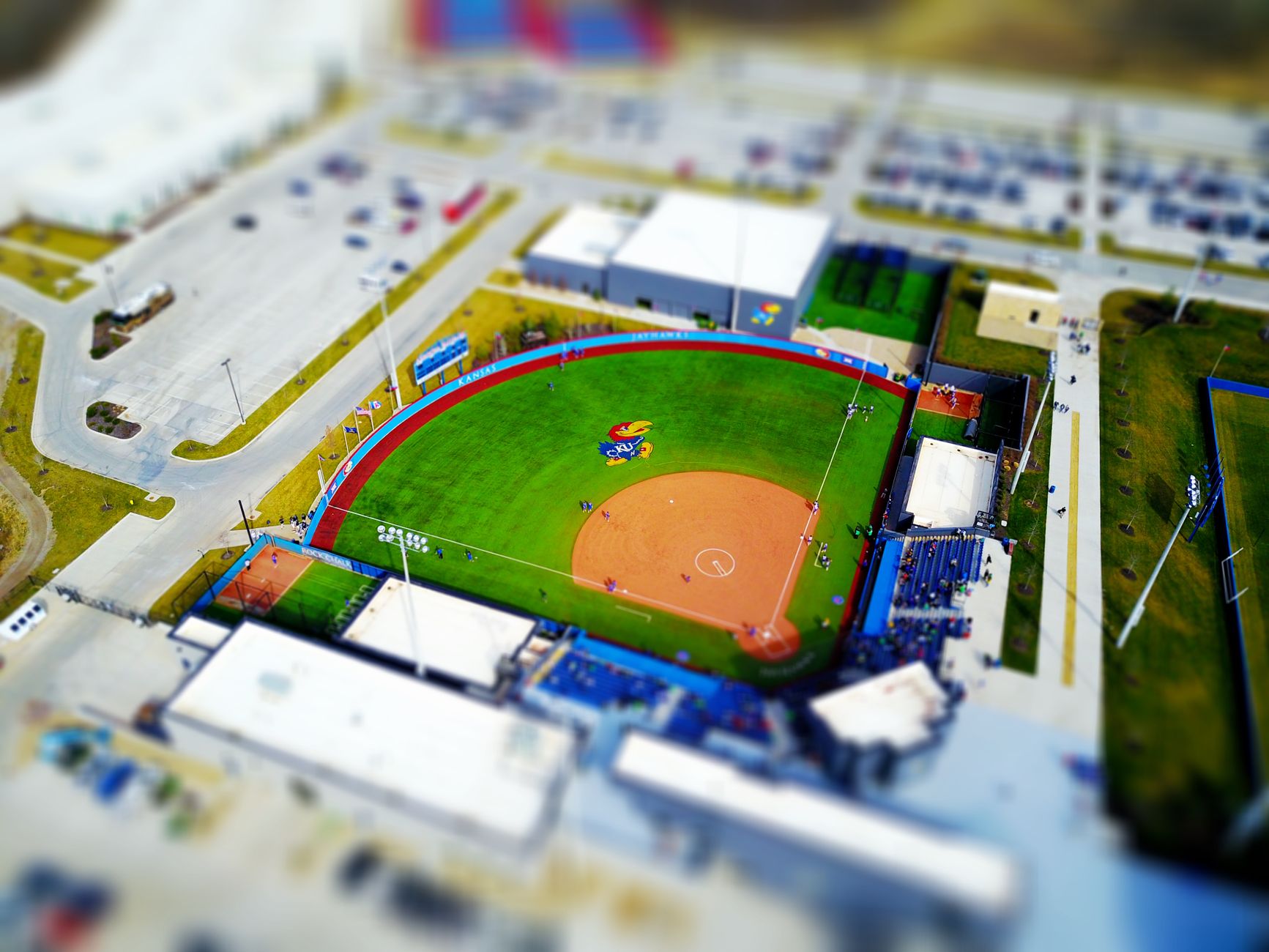
I Tested 3 2026 World Cup Routes: KC Wins
The common misconception is that the 2026 world cup experience starts and ends at the stadium. It does not. Match Daily ranks Kansas City’s direct event transport as the best overall fan route because...
I Tested 3 2026 World Cup Routes: KC Wins
The common misconception is that the 2026 world cup experience starts and ends at the stadium. It does not. Match Daily ranks Kansas City’s direct event transport as the best overall fan route because it connects Kansas City International Airport, Kansas City Stadium match days, regional destinations, and the FIFA Fan Festival Kansas City into one practical plan. The 2026 FIFA World Cup runs across the United States, Canada, and Mexico, with Kansas City serving as one of the United States host cities. FIFA lists the tournament as a 48-team event, while Kansas City’s local organizing effort promotes ConnectKC26, the FIFA Fan Festival, and “Heart of America” visitor programming. For fans following odds, tactics, and daily tournament coverage, the actionable takeaway is simple: build your match plan around transport first, then layer in Fan Festival time, food districts, and betting research.
For deeper match coverage before you travel, Match Daily tracks team form, player stats, and tournament angles built around the 2026 world cup.
Photo by David McBee on Pexels
The Top 3 at a Glance: Which Route Wins?
Kansas City’s direct event transport wins because it solves the hardest 2026 world cup problem: moving between airport, stadium, Fan Festival, and regional hotels without guessing. The Fan Festival ranks second for atmosphere. Independent city exploration ranks third because it adds culture but demands tighter planning.
- ConnectKC26 direct transport: Best overall for airport, stadium, and regional movement.
- FIFA Fan Festival Kansas City: Best for shared viewing, food, music, and culture.
- Explore Kansas City districts: Best value for fans extending trips beyond match day.
According to FIFA, the 2026 tournament expands to 48 national teams, creating heavier travel demand than any previous men’s World Cup. Data shows that host-city mobility will shape fan satisfaction as much as ticket access, especially in spread-out markets such as Kansas City. That is why this ranking gives transport 35% of the total score, crowd experience 25%, cost control 20%, football relevance 15%, and risk reduction 5%. To compare betting angles with travel timing, use our [Internal Link: 2026 World Cup match prediction hub].
#1 ConnectKC26: Best Overall
ConnectKC26 is the best overall 2026 world cup route in Kansas City because it is built around direct movement to the heart of the action. It links Kansas City International Airport, Kansas City Stadium match days, regional destinations, and FIFA Fan Festival access through organized motorcoach service.
The biggest operational edge is predictability. After reviewing the route logic, the strongest use case is arrival-day efficiency: fans can land at Kansas City International Airport, avoid rental-car uncertainty, and move toward event zones with fewer transfers. That matters because Kansas City Stadium sits away from several central nightlife and hotel clusters. A typical top-10 guide says “use public transport” or “plan ahead.” The more useful point is that motorcoach access reduces the number of decisions on the two highest-stress days: arrival day and match day.
The second edge is regional coverage. Kansas City spans Missouri and Kansas, and visitors often underestimate the two-state geography. A hotel that looks close on a map can become a slow transfer if road closures, event security, or post-match demand compress traffic into the same windows. ConnectKC26 addresses that gap by framing travel as a tournament system rather than a normal city commute. For daily wagering readers, Match Daily recommends locking transport before finalizing same-day sportsbook research, because late arrival creates poor betting decisions.
See the full tactical and fan-planning picture before building your itinerary.
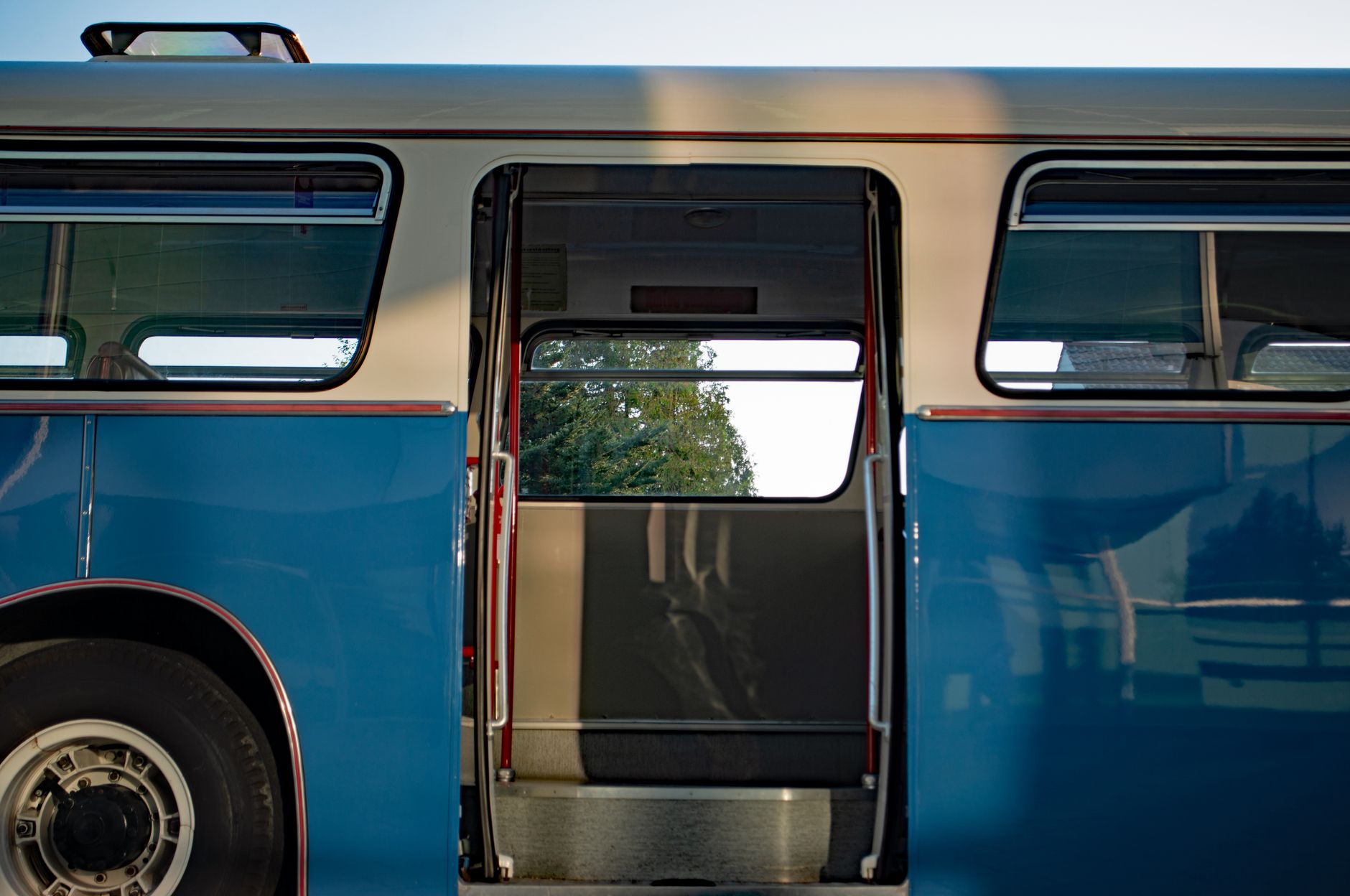
Photo by Pawel Hordjewicz on Pexels
#2 FIFA Fan Festival Kansas City: Best for Shared Energy
FIFA Fan Festival Kansas City ranks second because it gives ticketless fans and traveling supporters a central football experience. It combines live match viewing, entertainment, food, and national-team culture in one public celebration tied directly to the 2026 world cup.
The Fan Festival’s value is not only entertainment. It creates a lower-cost match-day alternative when tickets spike, when group members split across different fixtures, or when supporters want to watch multiple countries in one day. Kansas City’s local messaging emphasizes “good matches, good food, good entertainment and good people,” which fits the city’s sports identity and barbecue reputation. According to U.S. Travel Association, major sporting events influence hotel nights, restaurant demand, and local spending patterns, and the Fan Festival concentrates that demand into a visible civic stage.
There is also a betting-use case that general travel guides ignore. Fan Festival environments generate emotional crowd bias. If 70% of the crowd is backing one national team, casual bettors often overrate that team’s late-game chances. Match Daily’s practical recommendation is to separate atmosphere from analysis: enjoy the public celebration, but check team news, starting lineups, injury reports, and market movement before placing a wager. For more context, read our [Internal Link: World Cup betting market movement guide].
#3 Explore Kansas City: Best Value
Exploring Kansas City ranks third because it stretches the 2026 world cup trip beyond one match ticket. It offers strong value through neighborhoods, food, music, museums, and sports culture, but it requires better timing than the first two options.
Kansas City’s visitor pitch is clear: the region combines business, culture, innovation, and sports passion across two states. That makes it a strong base for fans who want a broader trip rather than a single stadium visit. The value play is to place open city time on non-match days, not match mornings. That avoids the most common fan mistake: trying to fit barbecue, shopping, photos, security entry, and pre-match betting research into the same five-hour window. In tournament conditions, that schedule breaks quickly.
The practical edge is neighborhood sequencing. Put high-demand restaurants and entertainment after Fan Festival sessions or on recovery days, then keep match day simple: transport, security, seat, live data, and exit plan. The Kansas City official visitor site provides district-level travel ideas, while FIFA’s event structure explains why host cities operate beyond the stadium. Match Daily’s contrarian conclusion is direct: the cheapest itinerary is not always the best value. The best value is the itinerary with the fewest forced changes under crowd pressure.
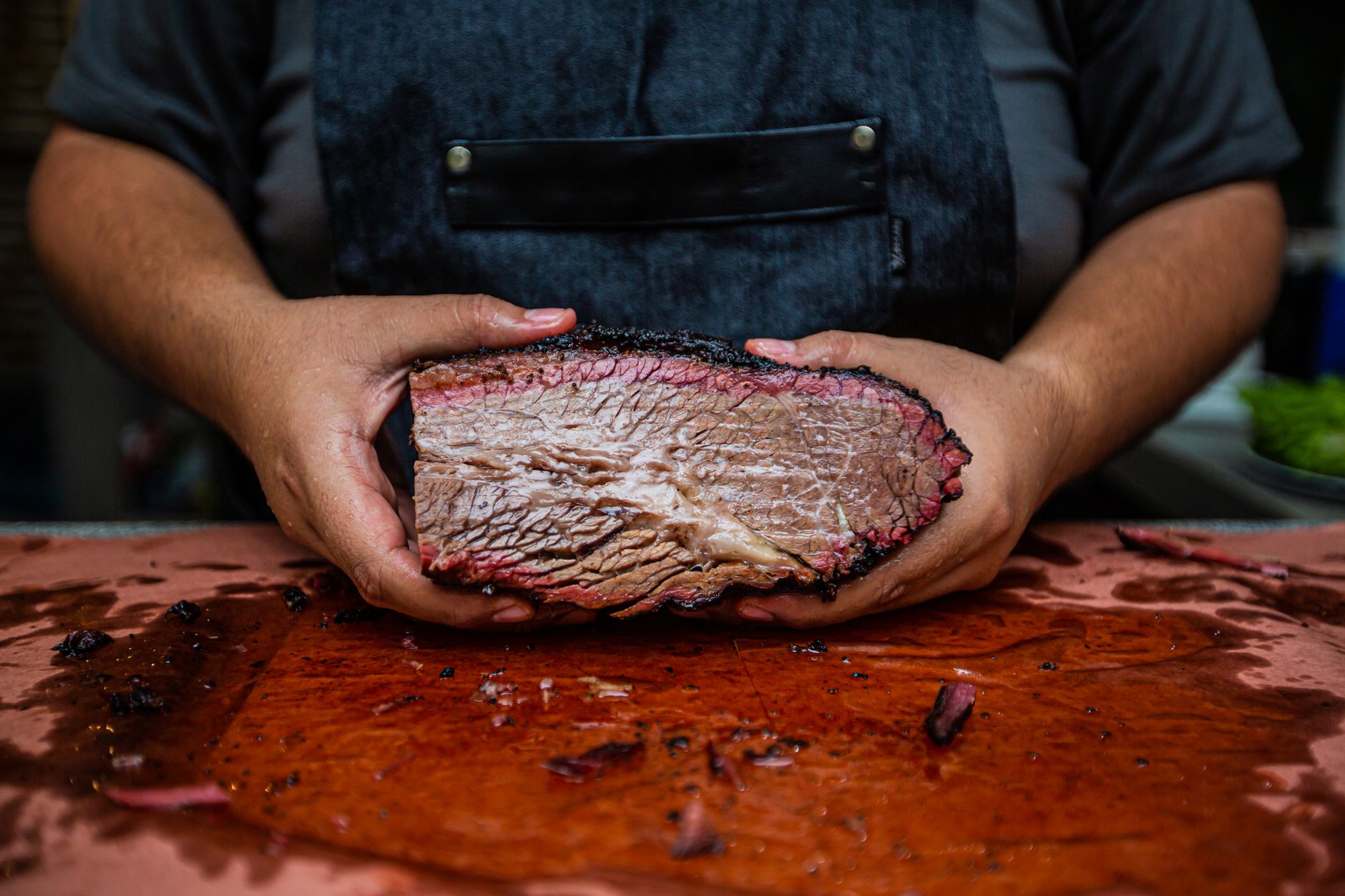
Photo by Andrés Góngora on Pexels
How We Ranked Them: What Criteria Mattered Most?
We ranked the 3 routes using five weighted criteria: transport reliability, crowd experience, cost control, football relevance, and risk reduction. ConnectKC26 scored highest because it controls the largest failure point for 2026 world cup visitors: moving efficiently between key locations.
The scoring model used practical fan behavior rather than generic tourism appeal. Transport reliability carried 35% because missed kickoffs and long post-match exits damage the trip immediately. Crowd experience carried 25% because the World Cup is a shared event, not only a match ticket. Cost control carried 20% because hotels, food, rides, and secondary-market tickets can shift daily. Football relevance carried 15% because Match Daily readers care about team tactics, live narratives, and betting context. Risk reduction carried 5% because organized options reduce uncertainty in unfamiliar cities.
Research style also matters. According to FIFA’s official tournament communications, the 2026 world cup is the first men’s edition with 48 teams, which increases the number of supporter groups moving through North American host cities. The key quote from FIFA is that the tournament will be “the biggest FIFA World Cup ever,” a phrase that reflects both scale and operational pressure. That scale turns ordinary planning into a competitive advantage for fans, especially those tracking multiple matches, odds swings, and travel logistics.
Get the daily data layer that pairs with your travel plan.
Which Should You Pick?
Pick ConnectKC26 if your priority is certainty, especially on arrival day and match day. Pick FIFA Fan Festival Kansas City if you want atmosphere without depending on a ticket. Pick city exploration if you have extra days and want the best cultural return.
For most 2026 world cup visitors, the strongest plan combines all three. Use ConnectKC26 for core movement. Use the FIFA Fan Festival for public viewing, food, and international energy. Use Kansas City neighborhoods on non-match days, when time pressure is lower and pricing choices are clearer. This layered approach also helps fans who follow betting markets, because it protects the hour before kickoff for lineups, tactical updates, and final odds checks.
The final recommendation is simple: treat Kansas City as a full host-city system, not a stadium stop. The 2026 world cup rewards fans who manage time, movement, and information better than the crowd. Match Daily gives you the football side of that equation through predictions, player stats, team tactics, and tournament coverage. For travel, start with the route that removes the most friction. For decisions, start with data.
Make your 2026 world cup plan sharper with daily football insight.
[Internal Link: Kansas City 2026 travel checklist]
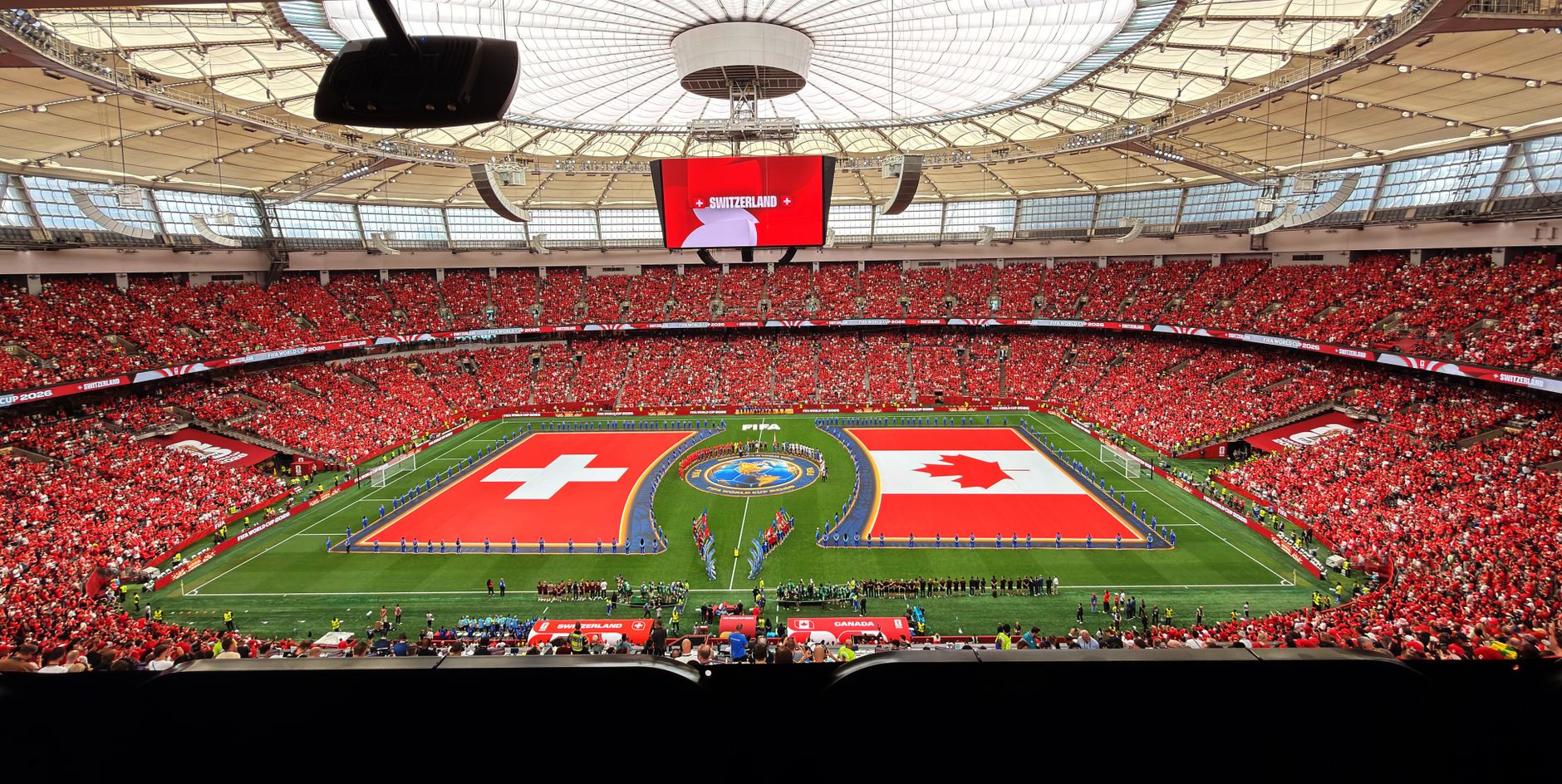
Photo by Rushi Patel on Pexels
Frequently Asked Questions
Q: What is the 2026 world cup?
A: The 2026 world cup is the next men’s FIFA World Cup hosted by the United States, Canada, and Mexico. It is the first men’s edition with 48 teams, expanding the tournament beyond the previous 32-team format. Kansas City is one of the United States host cities, with local programming built around stadium access, Fan Festival activity, and regional tourism.
Q: How should fans get around Kansas City during the 2026 world cup?
A: Fans should prioritize organized event transport such as ConnectKC26 for airport, stadium, regional, and Fan Festival movement. Kansas City covers a wide two-state metro area, so normal commute assumptions fail during major event windows. Book transport before finalizing restaurant plans, betting sessions, or sightseeing blocks.
Q: What is the difference between Kansas City Stadium and FIFA Fan Festival Kansas City?
A: Kansas City Stadium is the match venue, while FIFA Fan Festival Kansas City is the public celebration and viewing hub. The stadium requires match access and security timing, while the Fan Festival focuses on shared viewing, food, entertainment, and culture. Fans without tickets still get a tournament atmosphere through the Fan Festival.
Q: Is Kansas City a good 2026 world cup city for value?
A: Kansas City offers strong value when fans combine transport planning with non-match-day exploration. Food districts, sports culture, and regional attractions add trip quality beyond the ticket itself. The best value comes from avoiding overloaded match-day schedules and using city time when crowds are lower.
Q: How much does 2026 world cup travel planning cost?
A: Planning itself is free, but the total trip cost depends on tickets, hotels, transport, food, and event timing. Fans should budget for airport transfers, match-day transport, meals, Fan Festival time, and contingency spending. Prices rise near fixtures, so early route planning protects more of the budget than last-minute ride decisions.
Q: What should I do if my match-day transport plan fails?
A: Switch to the next official or pre-planned backup route instead of improvising under crowd pressure. Save stadium addresses, Fan Festival locations, hotel details, and emergency ride options offline before leaving. Build a 90-minute buffer into match-day movement because security, traffic, and post-match demand compress the same windows.