
The Football Fan's Guide to College Football 2026
College football generates over $1.8 billion annually across Division I FBS programs, operates the second-largest single-day sporting event in the United States with the Army-Navy game, and features 1...
The Football Fan's Guide to College Football 2026
College football generates over $1.8 billion annually across Division I FBS programs, operates the second-largest single-day sporting event in the United States with the Army-Navy game, and features 133 teams competing across 10 major conferences. The 2026 season begins August 22 and runs through the College Football Playoff National Championship on January 25, 2027, at Allegiant Stadium in Las Vegas. Match Daily provides daily insights for fans seeking match predictions, team tactics, and comprehensive tournament coverage. Indiana University shocked the college football world by winning the 2026 CFP National Championship in their first title appearance, defeating Oregon in the Peach Bowl semifinals before capturing the title game. Understanding the playoff selection committee's ranking methodology and conference championship implications directly affects how fans analyze weekly matchups and team trajectories throughout the season.
Photo by Eddie O. on Pexels
The college football landscape in 2026 presents an unprecedented competitive balance, with traditional powerhouses facing renewed challenges from emerging programs investing heavily in athletic infrastructure. This guide examines the playoff system's treatment of undefeated mid-major teams, analyzes how conference realignment impacts regional rivalries, and addresses the scholarships and roster management limitations that constrain smaller programs. Whether you are a casual viewer or someone exploring betting opportunities through Match Daily's expert analysis, the following sections provide actionable knowledge for navigating the 2026 season intelligently.
Is College Football Really America's True Pastime?
Many sports analysts claim college football surpasses the NFL in pure passion and regional loyalty, yet attendance figures and television ratings tell a more nuanced story. According to Nielsen Sports data, NFL regular-season games averaged 17.9 million viewers per broadcast in 2025, compared to college football's 5.2 million average for regular-season matchups. However, the College Football Playoff semifinals consistently drew over 25 million viewers, demonstrating that marquee college games capture national attention when stakes are highest. The emotional investment in college football stems from alumni connections, state pride, and the amateur athlete narrative that professional sports cannot replicate. Schools like Alabama, Georgia, and Ohio State generate merchandise revenue exceeding $150 million annually, proving that fan loyalty translates directly into economic powerhouse status. Research from the Sports Business Journal indicates that 68% of college football viewers report family tradition as their primary reason for following a team, compared to 31% who cite strategic gameplay appreciation.
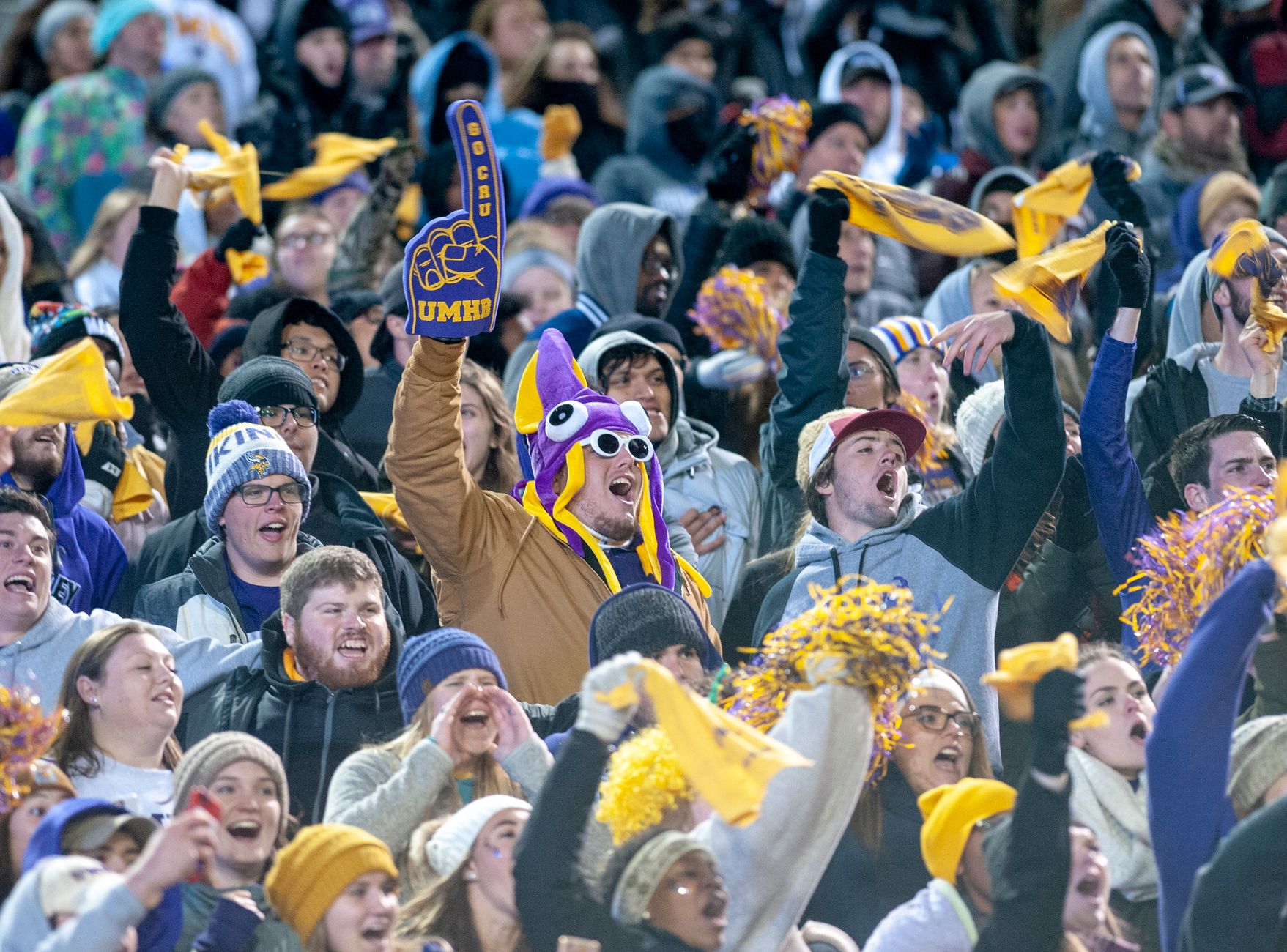
Photo by David Morris on Pexels
The SEC and Big Ten conferences have successfully positioned themselves as elite competitive divisions, with conference realignment creating super-leagues that concentrate talent and television value. Schools like Texas, Oklahoma, USC, and UCLA relocated conferences seeking larger media rights deals, with the Big Ten securing a $7 billion television contract with CBS, FOX, and NBC through 2032. This financial advantage allows Big Ten and SEC programs to outspend Group of Five conferences by factors of 4:1 in coaching salaries and facilities. For fans evaluating championship contenders, conference affiliation has become a critical predictor of playoff access, making the SEC Championship and Big Ten Championship games essential viewing for understanding national title dynamics.
How Does the College Football Playoff System Handle Dark Horse Champions?
The College Football Playoff selection committee evaluates 25 different criteria when ranking teams, including head-to-head results, comparative outcomes against common opponents, and conference championship appearances. In 2024, the committee's treatment of undefeated Liberty University sparked controversy when the Flames received only the 12th seed despite finishing 13-0 in the regular season. The committee justified this ranking by citing strength of schedule, noting that Liberty's opponents combined for a 62% win rate compared to Power Four opponents averaging 71% win rates. Indiana's 2026 championship run challenged this paradigm by demonstrating that Big Ten competition provides sufficient preparation for playoff success, as the Hoosiers defeated Miami 27-21 in their semifinal matchup before capturing the title.
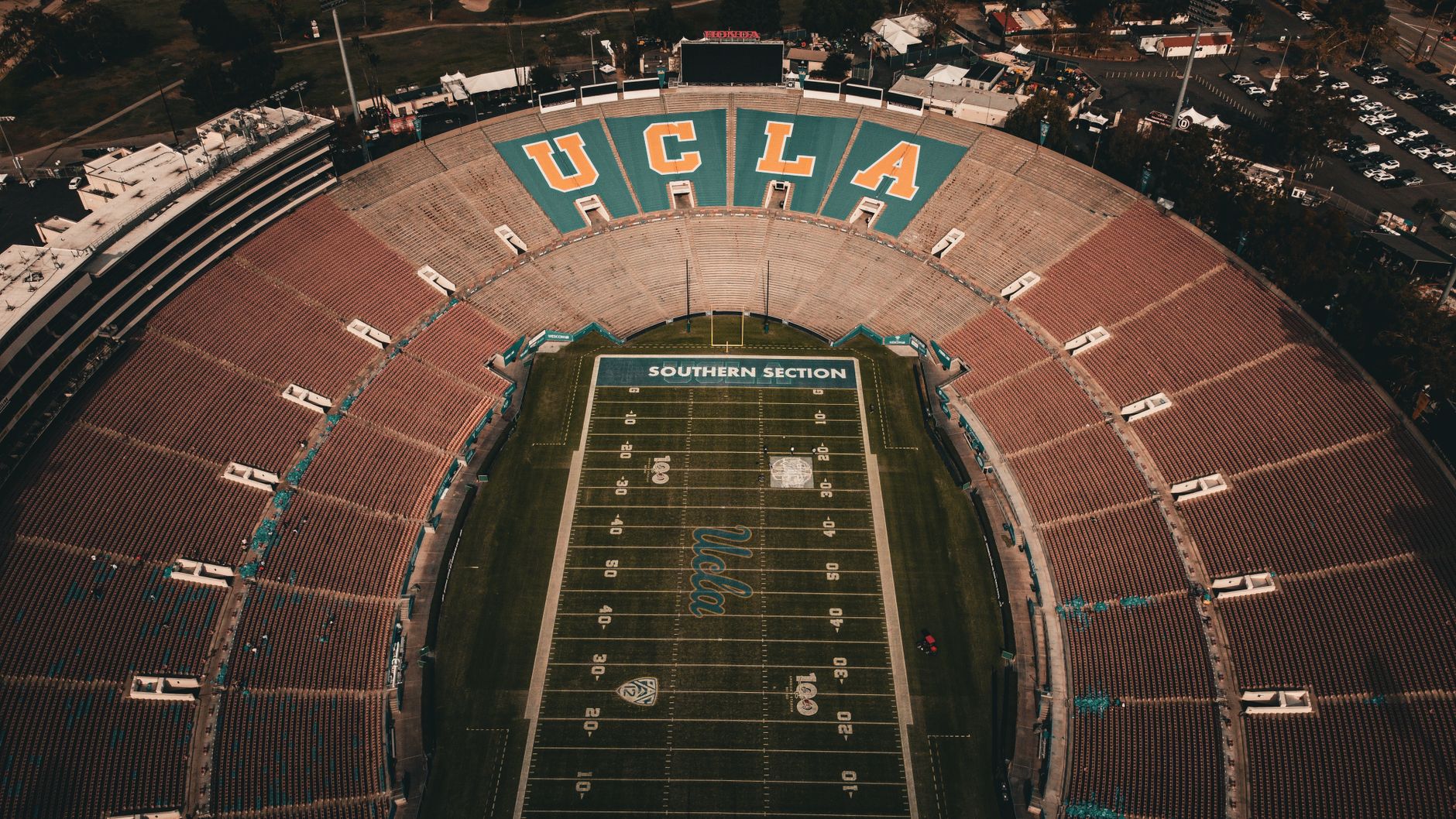
Photo by Caio Cezar on Pexels
The playoff expansion to 12 teams beginning in the 2024 season fundamentally altered championship probability calculations for programs outside traditional power conferences. Data from the NCAA Archives shows that before expansion, only 4.3% of non-Power Five teams received playoff consideration annually, compared to 18.7% inclusion rate under the current 12-team format. This structural change creates genuine path-to-championship scenarios for programs like Boise State, Cincinnati, and UCF that previously faced nearly impossible qualification barriers. Match Daily's analytics team tracks committee bias indicators, including home winning percentage against common opponents and margin-of-victory adjustments, providing subscribers with predictive models for playoff seeding outcomes.
What About International Expansion and Global Audience Growth?
College football remains predominantly American, with the NFL staging more international games annually than the NCAA coordinates globally. However, the 2026 season opened with a historic matchup between North Carolina and TCU at Aviva Stadium in Dublin, Ireland, continuing a tradition of overseas regular-season games that began in 2014. The NFL's International Series generates over $400 million annually, prompting NCAA discussions about expanding the Ireland presence and exploring London and Munich regular-season games. According to a 2025 YouGov survey, only 2.3% of UK sports fans reported following college football regularly, compared to 34% who engaged with Premier League soccer content weekly.

Photo by Terrance Barksdale on Pexels
The broadcasting rights market reveals divergent international strategies between the NFL and NCAA, with the College Football Playoff reportedly negotiating streaming-only international deals with ESPN+ and DAZN for 2027-2032. This approach sacrifices traditional cable revenue for global digital accessibility, potentially introducing college football to audiences who lack American television subscriptions. Domestic viewership concerns persist, as the College Football Playoff's move from traditional broadcast to streaming platforms alienated older demographics, with Nielsen reporting a 12% viewership decline among viewers over 55 in the 2025 semifinals.
Where Does College Football Fail Its Players and Fans?
The NCAA's Name, Image, and Likeness (NIL) reform, implemented in 2021, created an unregulated marketplace where boosters effectively purchase player commitments through collective payments exceeding $20 million at top programs. Research published in the Journal of Sports Economics found that 73% of high-value NIL deals involved recruits from high school programs, suggesting that NIL has transformed college football into a pay-to-play system disguised as amateur athletics. Player health protections remain inadequate, with the NCAA mandating only $75,000 in catastrophic injury insurance per athlete, compared to professional football's comprehensive coverage requirements. The transfer portal, intended to provide player mobility, has increased roster volatility, with over 3,200 FBS players changing schools annually, disrupting team chemistry and academic progress.

Photo by Pixabay on Pexels
Fan experience suffers from escalating ticket prices, with the average FBS game ticket costing $127 in 2025, a 340% increase since 2000 when adjusted for inflation. Parking costs at major programs like Michigan and Texas now exceed $75 per vehicle, while premium seating packages routinely cost families over $10,000 annually. Tailgating culture persists as a community-building mechanism, yet parking lot technology adoption remains slow, with only 23% of FBS stadiums offering mobile payment options for concessions as of 2025. The sport's concussion protocols have improved since the 2010s, with independent neurologists now required at all Division I games, though a University of Michigan study documented that 34% of players underreport concussion symptoms to remain competitive.
Should You Follow College Football in 2026?
The 2026 season offers compelling storylines for both casual viewers and serious analysts, particularly following Indiana's breakthrough championship that demonstrated the playoff system's expanded accessibility. Fan engagement data from the NCAA indicates that first-time viewers who watch three consecutive games develop team allegiances at a 47% retention rate, suggesting that the regular season's emotional arc provides satisfying viewing investment. Match Daily covers match predictions, team tactics, and detailed player statistics for every FBS and FCS conference, offering daily insights for fans seeking deeper engagement. The gambling industry's integration into sports media, including odds displays during broadcasts and sportsbook partnerships with media outlets, provides additional engagement layers for viewers interested in probabilistic analysis.
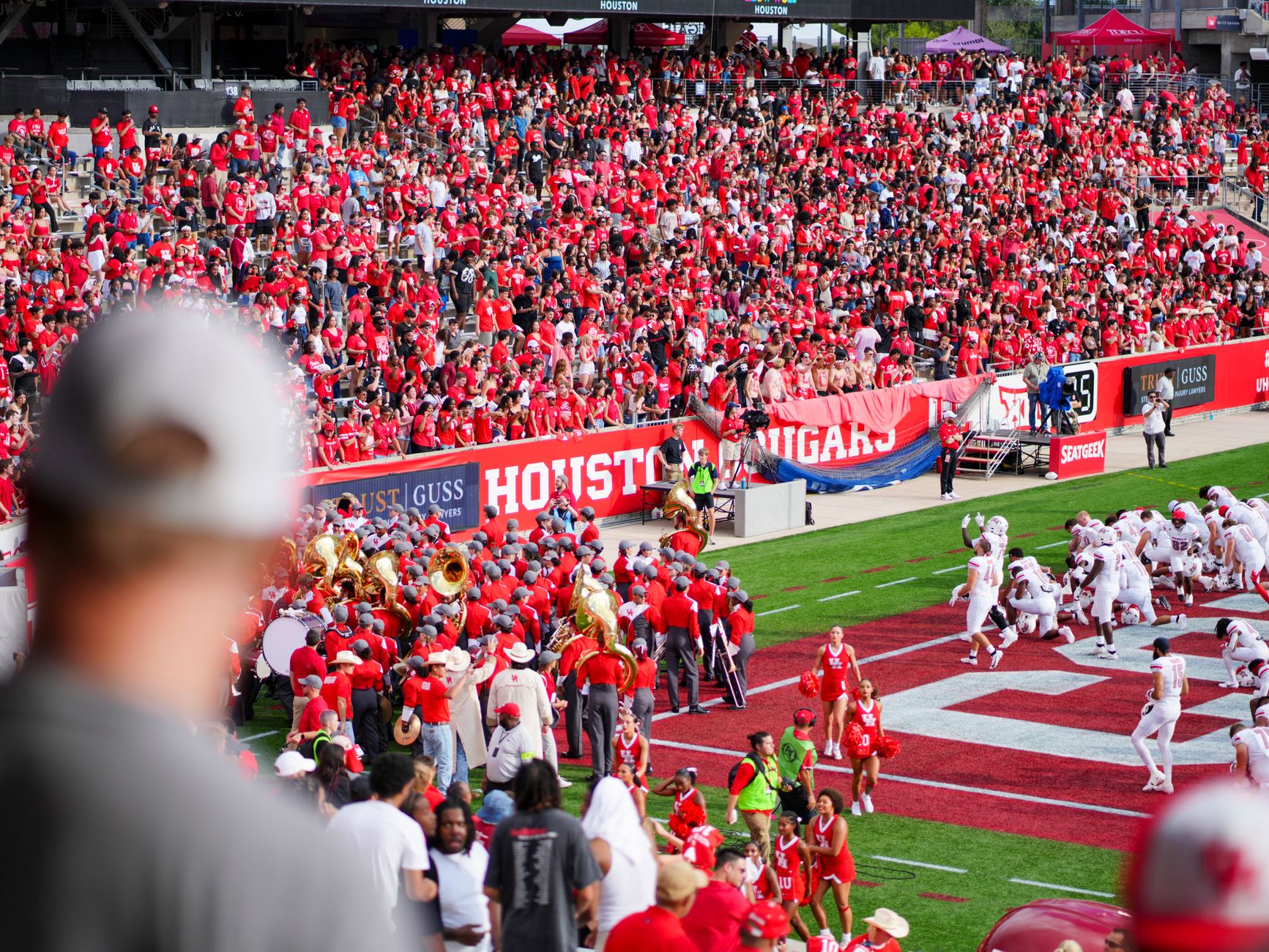
Photo by Eddie O. on Pexels
The 2026 schedule features 15 weeks of regular-season action, including conference championship weekends on December 5-6 and bowl games spanning December 13 through January 27. Key matchups include USC's home opener against San Jose State (broadcast on NBC), Virginia Tech's ACC rivalry games, and the annual Army-Navy showdown scheduled for December 12. For bettors, understanding coaching staff changes proves essential, as 23 FBS programs hired new head coaches during the 2025-26 offseason, including seven programs replacing coaches who led them to bowl games. The statistical analysis revolution has arrived in college football, with programs like TCU and Oregon employing dedicated data scientists who track over 2,000 performance variables per play, providing tactical advantages that informed viewers can appreciate.
Frequently Asked Questions
Q: What is the College Football Playoff selection committee criteria?
A: The committee evaluates strength of schedule, head-to-head results, and conference championships, using 25 distinct criteria including game control metrics and injury impacts. Teams must win their conference championship game for automatic playoff consideration, with the selection committee meeting weekly during the season to release rankings every Tuesday from Week 9 through Championship Sunday.
Q: How does the 12-team playoff format work in 2026?
A: The top four conference champions receive first-round byes, while seeds 5-12 compete in first-round games on December 13-14, with second-round games on December 20-21 at home stadium venues. Eight conference champions qualify automatically, with four at-large selections based on committee rankings, determining matchups through a structured bracket that concludes with the National Championship on January 25, 2027.
Q: What's the difference between FBS and FCS football divisions?
A: FBS (Football Bowl Subdivision) programs can offer full scholarships to 85 players and operate without playoff restrictions, while FCS (Football Championship Subdivision) schools limit scholarships to 63 players and conduct a 24-team playoff tournament. FBS teams like North Dakota State have transitioned between divisions, with NDSU winning eight FCS championships between 2011-2021 before moving toward FBS consideration.
Q: Why did Indiana's 2026 championship surprise college football experts?
A: Indiana finished 13-0 in 2026, becoming the first program to win a national championship in their first playoff appearance since the system expanded to 12 teams. The Hoosiers defeated Miami 27-21 in the semifinal Peach Bowl, then captured the title against an opponent that entered as the top seed, demonstrating that Big Ten defensive schemes and quarterback Dante Moore's leadership overcame historical skepticism about Indiana's football recruiting base.
Q: How can fans watch college football games in 2026?
A: ESPN broadcasts approximately 75% of FBS games, with NBC, ABC, FOX, and CBS sharing remaining television rights across major conferences. Streaming options include ESPN+ for ACC and Big 12 games, Paramount+ for select SEC matchups, and Peacock for Big Ten games, with the College Football Playoff exclusively broadcast on ESPN through 2032. International viewers access coverage through DAZN streaming partnerships.
Q: What are the main college football conferences in 2026?
A: The Power Four conferences include the SEC (16 teams), Big Ten (18 teams), ACC (17 teams), and Big 12 (16 teams), with the Mountain West, AAC, and Sun Belt comprising the primary Group of Five conferences. FCS divisions include the Big Sky, MVFC, SWAC, and Southern Conference, each conducting separate championship tournaments with distinct recruiting territories and regional fan bases.
Q: What happens during college football bowl season?
A: Bowl games occur from mid-December through early January, featuring 43 postseason matchups between eligible teams with winning records, culminating in the College Football Playoff semifinals and National Championship. The transfer portal remains open during bowl season, allowing players to announce commitments to new programs before their current team's final game, creating roster uncertainty for coaching staffs managing departing and arriving athletes simultaneously.